Bakeries, sweet shops and mithai counters
Bakery and sweet shop billing software in Nepal
Sweets sell by the kilo or the piece, and each bill takes them off today's count. What is left at closing is written off with a reason, so you see what to bake less of.
- IRD-format VAT invoices
- Sweets sold by the kilo or the piece
- Wastage written off with a reason
- Free trial, no card required

In short
What billing software works for a bakery or sweet shop in Nepal?
A bakery or sweet shop in Nepal needs quick counter bills, sweets sold by the kilo or the piece, and a daily count of what is left. Kuver Books gives you counter billing, units with their own prices, expiry on bought-in lots and wastage written off with a reason. It has no recipe module, and it is listed by the Inland Revenue Department under the Electronic Billing Procedure 2074.
Before and after
What changes when a bakery starts counting its trays?
The dashboard shows your top-selling items, so you know what to bake more of. A free connected online store is included with every plan. It is built from the catalogue you already bill from, so boxed sweets and packed goods can sell online from the same stock, and online orders come back into your books.
-
Wastage gets a number
Wastage gets a number. Every write-off carries a reason and an approval, and a month of adjustment history shows which items you over-bake, which is the evidence for baking less of them.
Before: Unsold goods thrown away at closing, with no record of how much or which items.
-
Orders stop living in a diary
Orders stop living in a diary. Each one is a sales order with an expected date and a status everybody can see, and it becomes the bill on collection without anyone copying it out again.
Before: Festival and cake orders written in a diary next to the phone.
-
Ingredients and packaging get a minimum
Ingredients and packaging get a minimum. Bought-in stock is held by lot, low-stock banners appear before a shortage, and the Dashain stock planning guide helps you buy ahead of the festival weeks.
Before: Running out of khuwa, cream or boxes in the middle of the busiest morning.
-
Every sale is a proper bill
Every sale is a proper bill. Invoice numbers run in sequence, reprints are marked as copies, and there are 32 built-in reports laid out by Nepali fiscal year for your accountant.
Before: A bill book for VAT customers and loose chits for everyone else.
Bakeries and sweet shops
What Kuver Books does for you each day
Sell sweets by the kilo, count today's bake, and see which trays end up as wastage.
-
Barfi by the kilo, keyed in grams
Give barfi a kilo unit with its own price, then key the weight your scale shows.
-
This morning's bake into stock
Trays go into stock through an approved adjustment, so the screen shows what is left to sell.
-
Unsold trays written off at closing
Wastage leaves stock with a reason and an approval. A month of records shows which items you over-bake.
-
Cake and festival orders in advance
A sales order holds the customer, the expected date and the lines, then converts into the bill.
-
Flour, ghee and boxes by lot
Ingredients and boxes carry batches and expiry, and a minimum level warns you before they run out.
Bakeries and sweet shops, hour by hour
What does a day at a bakery counter look like?
-
Early morning
The first trays go into stock
The ovens have been on since before dawn, and the first trays of bread, pastries and sel roti come out to the counter. Kuver Books has no recipe and no production order, so it does not know what happened in the kitchen. It records the result. The morning’s bake goes into stock through an approved adjustment, each item with its own batch, so the counter sells from a real count instead of an empty one. Flour, ghee and sugar are marked purchase-only, so they never turn up on a bill.
-
Mid-morning
Half a kilo of barfi and two pastries
The counter gets busy. A customer wants half a kilo of barfi, a quarter of kaju katli and two pastries. Each sweet is a product with a kilo or gram unit and its own price, so the cashier picks it and keys the weight the scale shows. The pastries are sold by the piece. Tax is set per item, so a taxable line carries 13% VAT and a non-taxable one does not, and the bill prints at receipt width. If the cashier is called away mid-bill, the draft is waiting when they come back. Each bill takes what it sells off the morning’s count, so by afternoon the product list shows which trays are still full. There is still time to sell them, with a line discount if you want one.
-
Afternoon
Tihar orders taken, khuwa bill photographed
In the weeks before Tihar the phone rings with orders for boxes of sweets. Each one goes down as a sales order with the customer, the expected date and the lines, and on collection it converts into a tax invoice with nothing re-typed. The open orders list is what the kitchen bakes to, since an order does not hold stock aside on its own. The khuwa and cream delivery arrives with a printed bill, and it is photographed rather than typed. Photograph the bill (PNG or JPEG), up to 5 photos per batch, 20 MB each. You check the filled-in purchase bill beside the photo, approve it, and the lot is opened. 25 AI bill scans a day included on Standard and Premium.
-
Closing
What is left, counted and written off
At closing, what will not sell tomorrow is counted. Day-old bread and cream cakes leave stock through an inventory adjustment with the batch, a reason and an approval, so wastage becomes a number you can watch. Collections are recorded against the method they came in on, since you can record payments across 10 Nepali methods: cash, Khalti, eSewa, bank transfer, ConnectIPS, Fonepay, IME Pay, PrabhuPay, card and mobile banking, the cash-flow ledger locks once the day is closed, and depositing the cash is one screen that shows the arithmetic first.
How does a mixed box of sweets get billed?
A box of sweets is three or four kinds, each weighed. Every sweet is a product with a kilo or gram unit and its own price, so the cashier picks it, keys the weight and moves on. Packed biscuits and drinks scan like any shop item.
- Weight keyed, total worked out The unit price and the weight you key give the line total.
- The sweet box is a product too Packaging sold on the bill leaves stock as it sells, so boxes do not run out unseen.
- Thermal receipt or full-page bill Receipt width at the counter, A5 or A4 for an office order.
- 1. Source: VAT Act 2052; standard rate unchanged in Budget 2083/84 (FY 2026/27), per published budget analyses (Techman Consulting, Law Alpine, Infinity) checked 2026-11-05. Verified 2026-11-05.
Which ingredients and boxes are running low or turning?
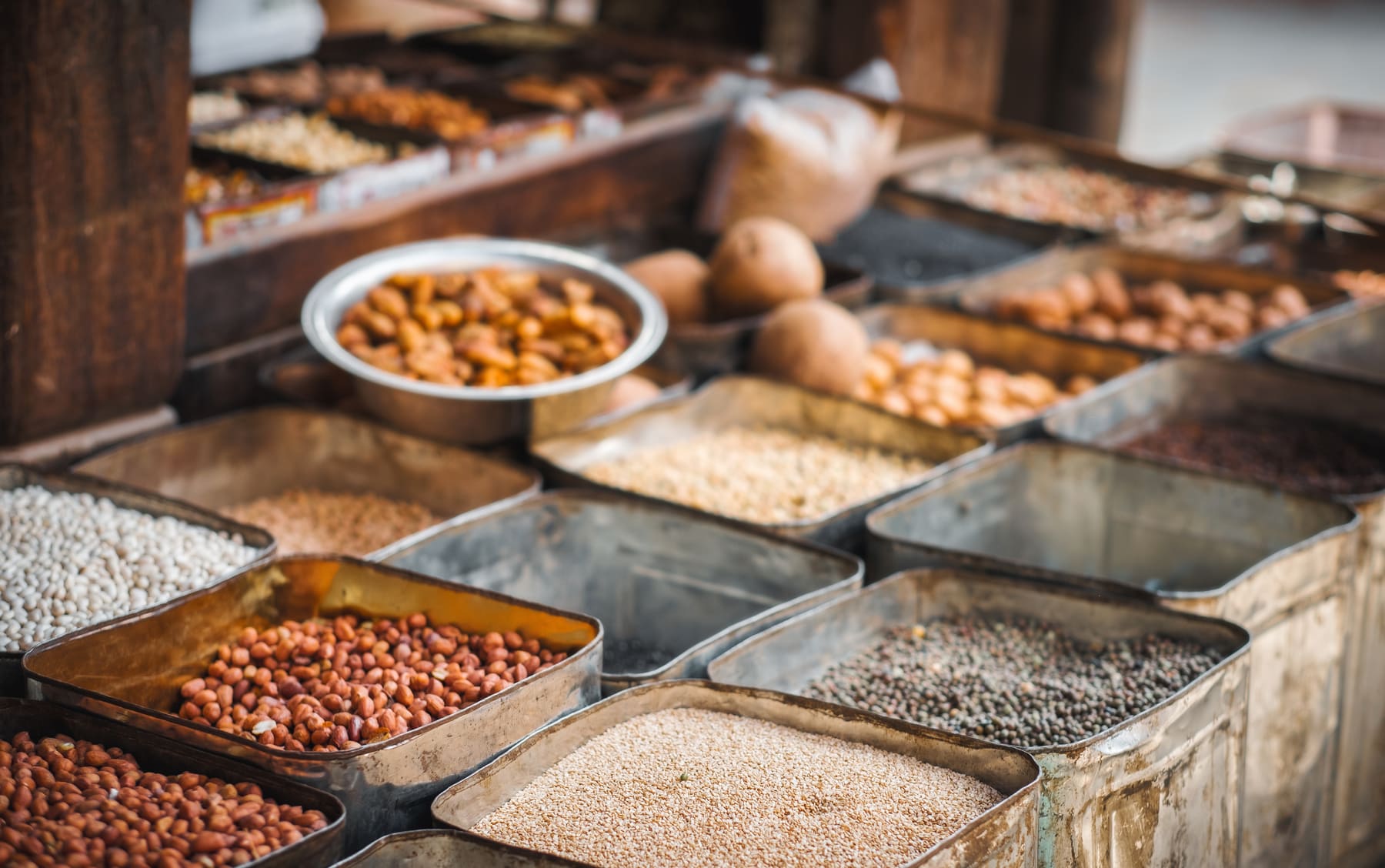
Flour, sugar, ghee, khuwa, cream and boxes are bought stock, and they behave like any shop item. Approving the supplier bill opens the lot, minimum levels raise low-stock alerts, and the expiry report shows which lot is running out of shelf life.
- Dairy and cream by lot Each delivery opens a batch with its own remaining quantity.
- A minimum for every ingredient Low-stock banners appear on the product list and the dashboard.
- Ingredients kept off the counter Mark flour and ghee purchase-only so they never appear on a bill.
- Supplier bills read from a photo Photograph the bill, check the filled-in purchase bill, then approve it.
- 1. Source: The upload limits shown on the product's bill-scanning screen. Verified 2026-09-12.

Fit check
What does Kuver Books not do for bakeries and sweet shops?
Better you hear it now than after a month of setup.
-
It has no recipe or production module
Baking a tray does not consume flour, sugar or ghee from stock, and there is no production plan or cost per baked batch. You record the bake as stock in, and the ingredients as purchases. -
It does not read a weighing scale
The cashier keys the weight in kilograms or grams, and the unit price does the rest. -
It captures expiry on purchased lots, such as dairy and packaged goods
For what you bake yourself, the closing count and the write-off are the control, so ask on a demo before relying on dates for in-house goods. -
It does not print kitchen tickets
Manage tables or split bills, and it does not connect to delivery apps. -
If ingredient costing per product is the problem you most need solved, say so before you trial it
Bakeries that need fast counter billing, a daily count and clean VAT records get the most from it.
Not sure it fits your shop?
Tell us what you sell and how many counters you run. A specialist replies within one business day.
Who is this bakery billing software in Nepal built for?
The fit is a bakery, sweet shop or mithai counter that bills over a counter and wants its stock and its VAT records to hold up. Kuver Books is listed by the Inland Revenue Department under the Electronic Billing Procedure 2074, and invoice numbers run in sequence per fiscal year and are never reused or edited; reprints are marked as copies and cancelled bills stay on record. Unlimited warehouses on every plan, so a front counter, a kitchen store and a second outlet can each hold their own balance with tracked transfers between them. Single branch on Standard and Premium; Enterprise covers multi-branch, priced with you. At year end a 5-step guided fiscal-year close settles balances and locks the closed year. Start on a 14-day free trial, no card required and bill a real festival morning on it before you decide.
Questions
Questions from bakery and sweet shop owners
Will selling a cake reduce the flour and sugar in stock?
Our sweets are weighed on a digital scale. Does it connect?
Can we take a Tihar order in advance and bill it on collection?
How do we record what was thrown away at closing?
Pricing for bakeries and sweet shops
-
Standard
NPR 1,500 a month
For a single outlet that bills every day.
-
Premium Recommended
NPR 2,000 a month
For a bigger catalogue and higher billing volume.
-
Enterprise
Priced with you
For multi-branch operations and teams that need an API.
14-day free trial, no card required. 13% VAT applies to all prices. Yearly billing costs less; every limit is on the pricing page.
Try Kuver Books on a bakeries and sweet shops business like yours.
Guided setup with your items imported. Your workspace is ready the same business day.
Talk to a person
WhatsApp Call +977 974-4401191Sunday to Friday, 9am to 6pm NPT. A real person replies within one business day.