Glossary
What is Barcode billing?
Barcode billing means scanning a product barcode at the counter so its name, price and tax are pulled into the bill instead of being typed. It speeds up checkout, reduces pricing errors and keeps stock counts accurate as each item is deducted.
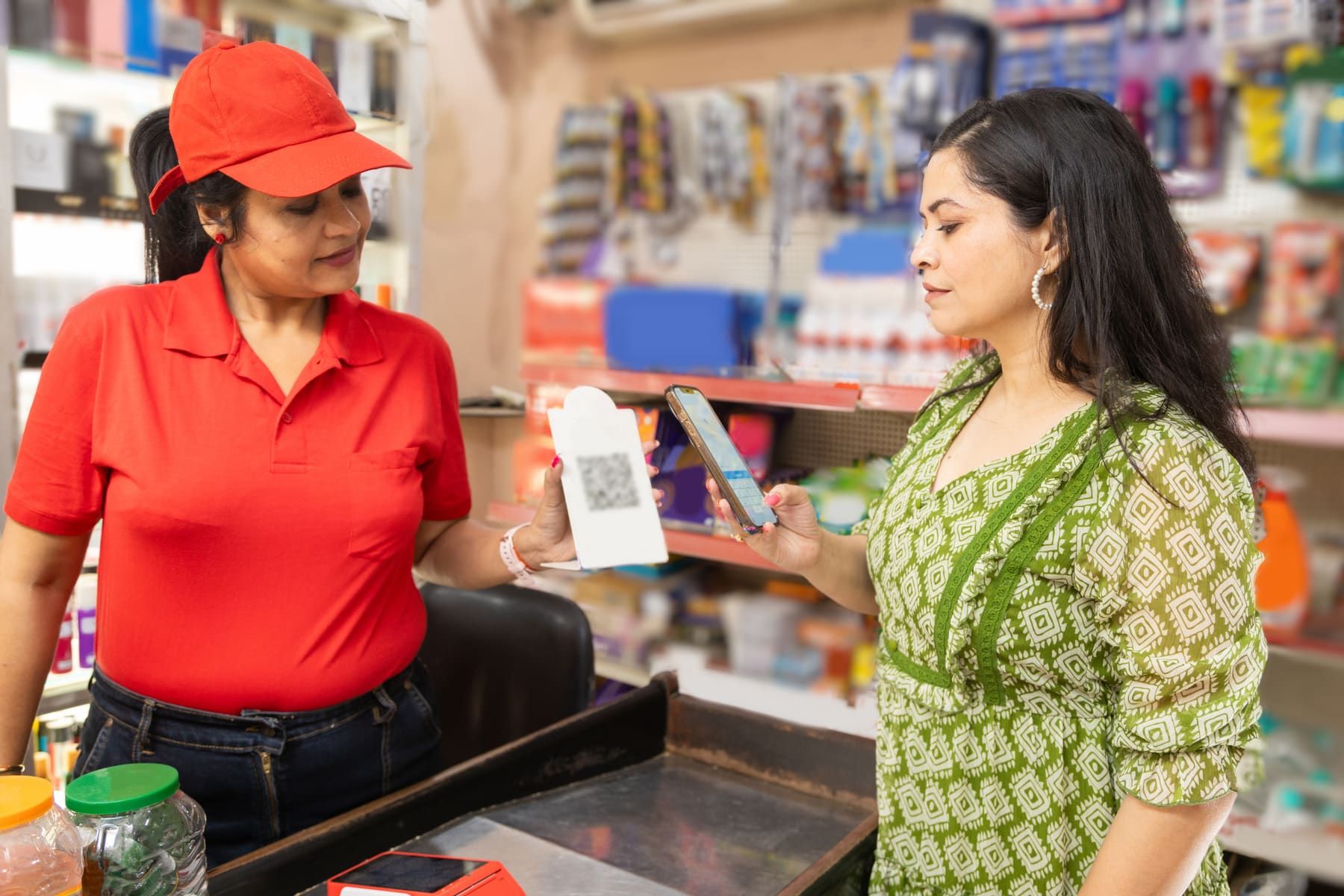
Barcode billing means the scanner does the typing. The cashier scans the pack, the item lands on the bill with its rate and tax, and nobody has to remember a price or pick the right product from a list of similar names.
How it works in practice
A barcode is only a number. It carries no price and no product name. The work happens when that number is looked up in your product list, so every barcode has to be mapped to exactly one SKU before the scanner is useful.
Most packaged goods arrive with a manufacturer barcode already printed. Loose goods, repacked items and anything imported without a code need a label of your own, printed and stuck on the pack or the shelf edge.
Take a kirana shop billing a basket of noodles, cooking oil and soap. Typed by hand, each line means a search, a choice between three similar products and a price check. Scanned, each line is one beep, and a second scan of the same item raises the quantity rather than adding a new line.
Common mistakes
- Mapping one barcode to two products. The scan picks one of them, and stock drifts on both.
- Using one code for every size. A 500ml and a one litre bottle are separate SKUs with separate prices, so they need separate codes.
- Removing the old barcode when a supplier changes its packaging. Stock in the old pack is still on the shelf and still has to scan.
- Letting staff type over the price of a scanned item. The speed stays, but the pricing control is gone.
Where it matters most
Supermarkets and kirana shops with hundreds of lines, pharmacies where brand names look alike, cosmetics and mobile accessory shops with many near-identical items, and any counter where the queue is the problem. A hardware yard selling cement by the bag and wire by the metre gains less, because much of what it sells has no barcode to scan.
In Kuver Books, an entry of digits only at billing is read as a barcode. Supplier EAN-13, EAN-8 and UPC-A codes are each mapped to one product, and a history of each mapping is kept. You can also generate your own Code 128 labels, as the barcode management help page explains.
Glossary
Every billing and tax term, A to Z.
See how Kuver Books handles barcode billing.
A free trial with your own items imported, and a person on WhatsApp for the questions.

Talk to a person
WhatsApp Call +977 974-4401191Sunday to Friday, 9am to 6pm NPT. A real person replies within one business day.