Selling online
Sell online in Nepal for Dashain without overselling your shop
A four-week plan for a shop in Nepal taking Dashain and Tihar orders online: what to list, one stock count for counter and web, cash on delivery, cut-offs and returns.
By Sulachhan Shiwakoti · Chief Executive Officer, Kuver Books · Published · 12 min read
- Dashain
- Tihar
- Online store
- Omnichannel
- Cash on delivery

In short
To sell online in Nepal for Dashain without overselling, run the counter and the online store from one stock count, list only fast movers with real photos and sizes, bill every web, phone and social order in the same books, and set delivery cut-offs a few days before Vijaya Dashami (21 Oct 2026) and Laxmi Puja (9 Nov 2026). Start four weeks before Ghatasthapana.
On this page
- Why do Instagram and Facebook orders break during Dashain?
- One stock count for the counter and the web
- What should a small shop put online for the festival?
- Payment confirmation and cash on delivery
- Delivery cut-offs before Vijaya Dashami and Laxmi Puja
- A launch timeline working back from Ghatasthapana
- Turning an online order into a sales invoice properly
- Returns after Tihar
- When should a shop not bother selling online this season?
- Before you decide
To sell online in Nepal for Dashain without overselling, keep one stock count that both the counter and the online store read from, put only your fast movers online, and bill every web, phone and social order in the same books as the counter. Set your last delivery order dates a few days before Vijaya Dashami and Laxmi Puja. Start now: Ghatasthapana is on 11 October 2026, four weeks from mid-September.
This post is for clothing, gift, electronics, cosmetics and kirana shops that already sell over the counter and want festival orders from customers who will not come in.
Why do Instagram and Facebook orders break during Dashain?
In an ordinary month a shop can run orders through DMs, and at fifteen messages a day that works. In the fortnight before Dashain it breaks down, for three reasons.
Orders get lost. One customer asks about three items across Instagram, TikTok and a phone call, and nobody knows which one they confirmed. A chat thread does not keep an order list for you.
The last piece sells twice. Take a jacket with three pieces left in size M, as an illustrative example. The counter sells two on Saturday morning. Overnight, whoever answers Instagram promises it to two buyers, going by a stock figure in their head. One customer gets an apology on the busiest weekend of the year.
Cash on delivery comes back unpaid. Suppose a Rs 2,800 kurta goes out on cash on delivery and the rider charges you Rs 150 each way. The buyer is not home, or has changed their mind. You are Rs 300 down, and the kurta was off the rail for two days at the peak. These are example figures; ask your delivery partner for real ones.
In all three cases the order lives in a chat or in someone’s head, and the counter keeps its own separate count.
One stock count for the counter and the web

The fix is omnichannel retail: the counter and the online store read the same stock and write to the same books. When the counter bills the last unit, the web stops offering it.
A website with its own product list, updated by hand at night, does not do this. During a festival a gap of a few hours is enough to oversell. The link that keeps both sides in step is e-commerce sync, and only one system should own the stock number.
A free connected online store is included with every plan of Kuver Books; a custom domain is a paid add-on. The store reads products, prices and stock from the same catalogue the counter bills from. On the store, stock is reduced inside the order itself, so two shoppers cannot both buy the last unit. A counter sale triggers a refresh of the storefront, and a per-product switch in inventory decides what appears online at all.
This only works if the counter bills every sale. If the counter is your weak point, fix that first: the post on billing fast and correctly at a crowded festival counter covers the queue.
What should a small shop put online for the festival?
Not the whole catalogue. At festival time, an online store for a small business in Nepal works best as a short list of what people already ask for. Every product you put online has to be photographed, described and packed.
Start from last year. Your list is your top sellers from last Dashain and Tihar, plus the items customers asked about in DMs this month. For a small shop that might be 30 to 80 products, not 800. If you have not yet worked out festival quantities, the Dashain and Tihar stock planning guide comes first; put online only what you expect to have.
Leave off:
- Items with one or two pieces left. They will sell at the counter before a web order is packed.
- Anything that needs a fitting, a demonstration or a long conversation, such as a custom gift hamper or a phone with a trade-in.
- Fragile or heavy goods you cannot pack well for a rider.
- Items whose price changes with supplier rates week to week.
Photographs that sell
Shoot against a plain wall in daylight instead of under tube lights. Show the front, the back and one close-up of the fabric or the box. For clothing, a photo on a person tells a buyer more than a photo on a hanger. For electronics and cosmetics, photograph the actual pack with the model number or shade name visible, because that is what the buyer checks on arrival.
Descriptions that prevent returns
A common reason for festival returns is “not what I expected”. So write what a buyer cannot see in the photo. Give measurements in centimetres for each size, the fabric, whether the colour runs, and what is in the box. Add the warranty terms and who honours them. For kirana goods, give the pack size and brand; for cosmetics, the shade name and expiry month. One short paragraph and a size table do more than marketing lines.
In Kuver Books the store keeps the photographs and descriptions you write. A sync from the books updates names, prices and stock, and leaves your photos and descriptions as they are. Product pages show stock per variant, so a size that has sold out shows as sold out. The builder offers 11 templates, 10 looks and 23 section types, which is more than a festival list needs; pick one template and spend the time on photos.
Payment confirmation and cash on delivery

Many Nepali shoppers still expect to pay on delivery or at collection. Refusing that loses orders; accepting it without rules loses parcels.
These rules work in a festival fortnight:
- Call before dispatch. A short call confirming the size, address and total catches refusals before the rider leaves.
- Take an advance on high-value orders. Above an amount you choose, for example Rs 5,000, ask for part payment first.
- Offer pickup. A customer who collects at the counter pays there, and you save the delivery.
- Match payments to bills, not chats. A screenshot of a transfer is not a record until someone matches it to an order.
- Set a delivery fee and a free-delivery threshold that cover the cost of a failed attempt.
The Kuver Books store checkout is built for cash first. It offers cash on delivery and pay at pickup, a flat delivery fee, a free-delivery threshold and an estimated arrival time in your own words. Digital wallet and QR checkout are supported, and shoppers see a provider only once it has been switched on for your shop. Coupons have a minimum basket and an expiry date, and show what the coupon costs you before you save it.
Delivery cut-offs before Vijaya Dashami and Laxmi Puja

Festival demand peaks just when there are fewer people to deliver. Riders and your own staff travel home, and the roads out of the valley fill up.
Set two cut-offs and publish them on the store and your social pages:
- Dashain: last delivery orders a few days before Phulpati on 17 October, so parcels land before Vijaya Dashami on 21 October 2026. For districts outside the valley, earlier still.
- Tihar: last delivery orders before Kag Tihar on 7 November, for arrival before Laxmi Puja on 9 November 2026.
First ask your delivery partner for their last dispatch date for each district. Plan staff leave so someone is there to pack and call customers until the last day of orders. After a cut-off, change the store message to pickup only.
A launch timeline working back from Ghatasthapana
Festival dates as published in the 2083 calendar.
| When | What to do |
|---|---|
| 13 to 20 Sep | Count stock of the items you plan to list. Choose your fast movers. Decide delivery areas, the fee and your advance rule. |
| 21 to 27 Sep | Photograph and describe each product with sizes. Switch those products to show online. Write the return policy. |
| 28 Sep to 4 Oct | Publish the store. Place a test order, bill it, then reverse it with a credit note so staff see every step. |
| 5 to 10 Oct | Share product links on Instagram, Facebook and TikTok. Pin the store link. Agree who checks orders each morning and evening. |
| Sun 11 Oct, Ghatasthapana | Festival orders open. Count fast movers daily. |
| About 14 Oct | Last delivery orders for districts outside the valley, once confirmed with your delivery partner. |
| About 16 Oct | Last delivery orders inside the valley. Pickup only after that. |
| Wed 21 Oct, Vijaya Dashami | Store stays up. Orders taken now dispatch when staff return. |
| Early Nov | Reopen delivery for Tihar. Last delivery orders before 7 Nov. |
| 9 Nov, Laxmi Puja, to 11 Nov, Bhai Tika | Pickup orders only. |
| From 12 Nov | Handle returns, count stock, and compare online and counter sales before deciding on next season. |
Treat the cut-off days as a starting point, and move them to match your delivery partner.
Turning an online order into a sales invoice properly
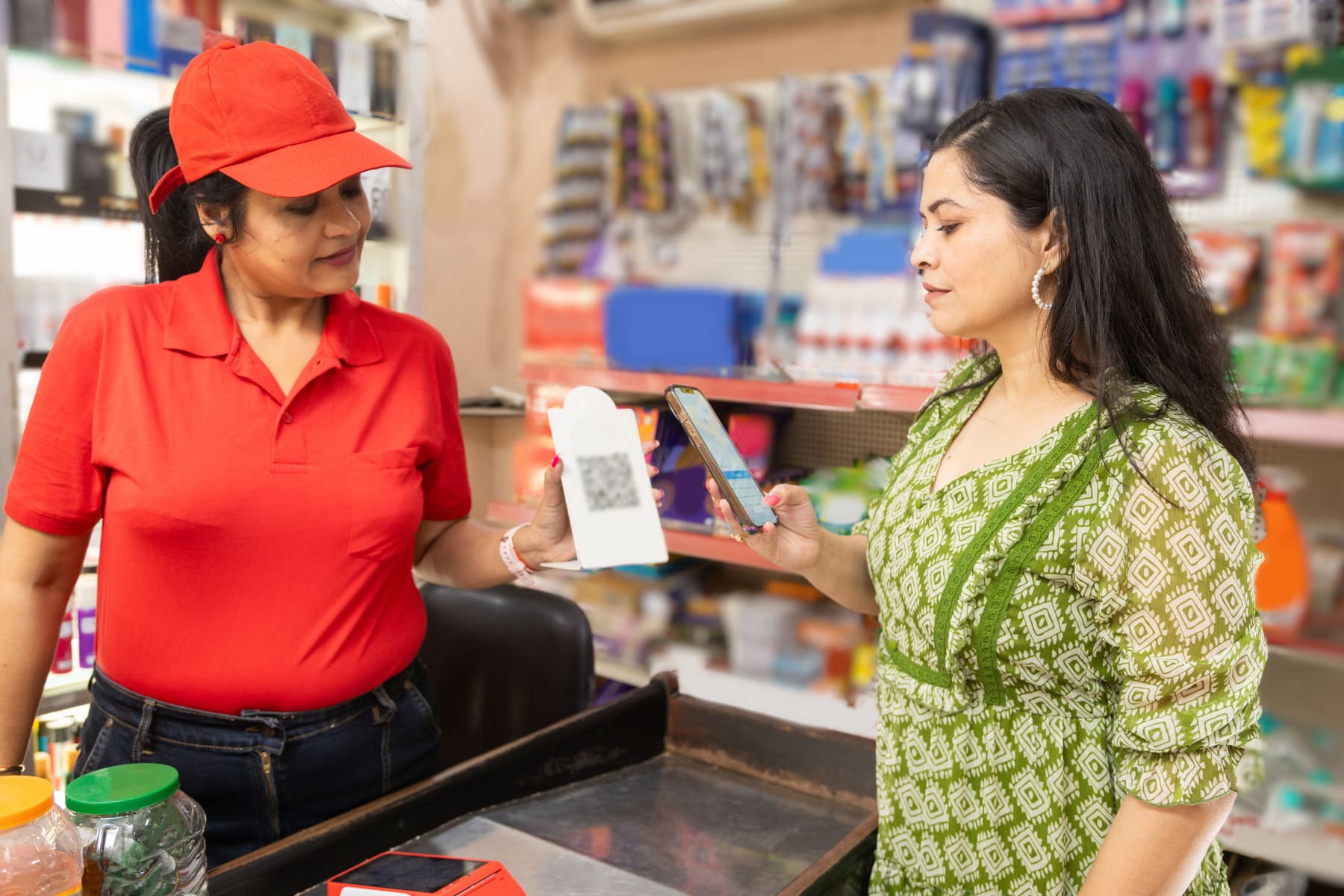
An order only becomes a sale when it is billed. If an order lives only in a chat, it never reaches your sales records, your stock or your VAT invoices. Under the VAT Act 2052 and VAT Rules 2053 a sale taken online is invoiced like any other; confirm your own position with your accountant or the IRD.
Orders placed on your store
In Kuver Books, orders from the connected store come back into the books as documents, each marked pending, pushed or failed. You can retry failed orders in bulk, and a banner shows while an order has not yet arrived. Check that list every morning of the festival. An order stuck as failed is money you will not see until the stock count disagrees.
Enquiries from the store
When someone puts products in a cart on your store and moves towards buying, Kuver Books shows it as an enquiry. The enquiry has their name, phone number, the products, prices and the total. The e-commerce help chapter explains that list. Call the high-value enquiries the same day, quote the same basket, and when they confirm, raise a sales order or a sales invoice.
Phone, Instagram, Facebook and TikTok orders
These orders do not reach any software on their own. Where you can, reply with a link to the product on your store, so the customer orders there and stock drops with the order. If the customer will not, enter the order yourself straight away as a sales order with the delivery address, or as an invoice if it is already paid. Print a free delivery chalan for the rider so the parcel, the address and the bill match.
Returns after Tihar
Expect returns in the week after Bhai Tika: wrong sizes, duplicate gifts, a shade that looked different on screen. Publish your return policy before the festival. Say how many days customers have, which items cannot come back (innerwear, opened cosmetics), and whether you refund or exchange.
Handle each return against its bill. An item returned from an invoiced order goes through a credit note raised against that invoice, with a reason such as “wrong size, returned unworn”. In Kuver Books, approving the credit note puts the goods back into stock and reduces what the customer owes, so the jacket is sellable again and your sales are not overstated. Do not edit or delete the original invoice.
An exchange is two documents: a credit note for what came back and a new invoice for what went out.
When should a shop not bother selling online this season?
Skip it, or wait until after Tihar, if:
- Your counter stock is not recorded properly. A connected store publishes whatever your records say. Fix counter billing first and go online in the quieter months.
- Nobody has time to answer and pack. Online orders need someone to check twice a day and call customers. If everyone is at the counter from Ghatasthapana, orders will sit unanswered.
- You sell mostly one-off or made-to-order pieces. Where every sale is a conversation, a social page and a notebook of confirmed orders may be enough.
- You cannot deliver reliably. If no delivery partner will commit to your areas in October, take pickup orders only, or wait.
- You expect ten online orders all season. Reading each one and billing it by hand is simpler than setting up a store.
Before you decide
The online store costs nothing extra on a Kuver Books plan. Standard is NPR 9,999/year, plus 13% VAT, and every plan is on the pricing page. You can try it on your own catalogue with a 14-day free trial, no card required. Setup is guided, and your workspace is ready the same business day. If your products live in a spreadsheet today, moving from Excel covers the import, and clothing shops with size and colour ranges can see how variants carry through on the clothing store page.
Sources
- Vijaya Dashami 2083 · Vijaya Dashami date as published in the 2083 calendar.
- Dashain and Tihar 2083 dates · Ghatasthapana, Phulpati, Laxmi Puja and Bhai Tika dates as published in the 2083 calendar.
- Value Added Tax Act 2052 and VAT Rules 2053 · Invoicing obligations of a VAT-registered seller apply to a sale taken online as they do at the counter.
- Kuver Books online store feature page and e-commerce help chapter · Source for every statement in this post about how the connected store and its orders behave.
Chief Executive Officer, Kuver Books
Sulachhan Shiwakoti is the Chief Executive Officer of Kuver Books, which he owns and leads. The software is built by AITC International in Kathmandu. He writes about Nepali tax compliance and shop operations.
Kuver Books does this for you.
See the connected online store in Kuver BooksKeep reading
More notes on the same shelf
- Seasonal · 13 September 2026 · 11 min Dashain stock planning: a shopkeeper's buying plan for 2083
- Shop operations · 13 September 2026 · 12 min Billing during the Dashain rush: a fast counter without mistakes
- Purchasing · 13 September 2026 · 12 min Supplier bill entry before the VAT deadline: claim festival input VAT